

A useful 2026 review does not rank providers by the loudest percentage or a single payout image. It examines what the provider actually does, whether that activity is compatible with the firm, and how downside is controlled.
Compare services using the same questions and current evidence. Product names change quickly, but transparent scope, written risk limits, secure access, and honest claims remain meaningful tests for any person exploring these options.
Your goal is to find a service that improves your own decision process. This requires looking past marketing to the nuts and bolts of how a service interacts with your funded account program and its strict rules.
Readers building a complete challenge plan can pair this review of prop firm passing service review 2026: what to check before choosing one with the prop firm passing service guide, which compares the wider support process and its limits.
The Review Standard
Look at how a firm works, not just their final profit numbers. A good provider explains how they pick trades and manage risks. They should tell you about losing days and account types. Avoid firms that only brag about one big winning account. High profits often hide the pain of losing streaks. You must see how they act during a bad week. Do not focus only on their best month.
A fair review gives credit for clear rules and admitting mistakes. It is not enough to just show winning trades. You should be able to follow their plan and repeat it. If you cannot explain why a trade started, the service is not helping you. True quality comes from following a steady plan. Do not rely on lucky spikes in performance.
Think like an outside judge. Check if the provider follows their own rules. A good review looks for evidence of how they manage account size or trade limits. If they have no clear policy for these things, they might ignore risks that lead to account failure. Always value a stable, clear process over quick gains.
The Main Service Models
Coaching, signals, and managed execution are all quite different. As a provider does more work for you, your need for control grows. You must know who is pushing the buy or sell buttons. If you do not have control, you are giving away your responsibility. This creates a large risk for your trading account status.
Do not confuse real execution with just getting simple trading ideas. Find out if you can say no to a trade. Ask how they handle orders when the market moves away from their plan. A pro must have a plan to fix their own mistakes. If they leave you to fix their errors, the service is not worth the price.
Think about a firm that manages trades using a computer connection. If they open a position that breaks your loss limit, the fault is yours. A good service will sign a contract that lists these responsibilities. If they have no written contract, you should be very careful before you proceed.
Risk Controls Matter More Than Marketing
Ask about the max loss per idea and total market exposure. You need a daily stop and rules for when not to trade. A plan that ignores losing days is not safe even if it has a high profit target. Real risk control is about limiting losses when the market moves against you. Without hard limits, your account can face a crash you cannot fix.
Check how a provider acts after many losses. Do not just look at their winning trade reports. A smart policy includes a break and a review of the plan. Some services make you trade through a bad streak to pay their fees. This is a very dangerous way to trade. Find a service that saves your capital instead of risking it for speed.
Imagine a provider that doubles their bet after a loss to win back money. This is a huge red flag. If they increase risk to chase gains, they are just gambling with your money. A real pro reduces their size when times are tough. Ask them exactly how they manage risk when a losing streak starts.

Communication and Visibility
You should get clear updates on planned actions and any pauses in trading. A useful message connects a trade to a specific rule. Do not accept vague notes about watching the market without a real plan. If you get empty marketing talk, you are not getting real trading help. A good provider explains the reason for every single trade.
Clear updates help you spot problems early. You need to know the instrument, the risk size, and the trade plan. This allows you to watch your account carefully. If you cannot check their work against your rules, you lose control. If you have to guess what they did, you are not monitoring your risk.
See how they talk when the market is moving fast. Do they stop talking, or do they tell you why they are waiting? A solid service keeps in touch no matter how the market performs. If their style changes when things get hard, they might be hiding something. Keep a record of their notes to see if they follow their own plan.
How to Evaluate Success Claims
Ask about the rules, dates, costs, and number of trades behind any claim. A screenshot alone cannot show if the results followed the firm rules. A single big profit might just be one lucky trade, not a real strategy. Always demand to see the full account history including all the losses.
Check if the data shows the correct account size and the right program rules. Results from an old version of the rules do not help you today. You must have data that matches the current rules of the firm you use. If the provider ignores recent rule changes, their claims are not useful.
Look at the total number of trades to see if the data is solid. A claim based on only 5 trades is not helpful for your planning. A good track record should show hundreds of trades in many market conditions. Do not trust examples that are cherry-picked to look better than they are.
Pricing and Value
Compare the price with the work provided like design, monitoring, and training. A cheap price might lead to many resets that cost more money over time. You should calculate the total cost including potential resets and your first fee. Do not let a low start price hide the true long-term costs.
Read the refund and cancel rules before you pay any money. Price only matters if the exit terms are fair and clear to you. Watch out for a guarantee that has impossible rules for you to follow. Always know exactly how you can stop the service before you start.
Demand that the firm is honest about their total pricing model. A good service will list all fees for software or support upfront. If they add small charges later, it shows they do not respect your budget. Verify every cost before you authorize the firm to take your payment.
Related guide for Prop Firm Passing Service Review 2026: What to Check Before Choosing One: A useful companion for this decision is How to Audit a Prop Firm Passing Service Before Sharing Account Details. Before you share an account login or pay a service fee, use this structured audit to inspect security, claims, communication, risk controls, and compliance.
Red Flags That End the Review
Stop the review if a provider promises profit or asks you to hide facts. These are big signs of a bad business and not just small mistakes. Any service promising you will pass is not being honest with you. Trading always has risks that no one can ever take away for you.
Keep all terms about payment and rules in writing for your records. If the provider gets vague when you ask for written proof, move on. You deserve a clear answer to every question you ask about the service. If they cannot answer clearly, look for another company that is more transparent.
Avoid any firm that tells you to use a tool to hide your location. This is a common way to break rules and get your account banned. You must always follow the rules of the firm you trade with every day. A professional service will always work inside the rules of the trading firm.
- Promises of guaranteed payouts or profit thresholds.
- Requests to hide activity or bypass firm security features.
- Vague explanations about how your account credentials are stored or used.
- High-pressure sales tactics requiring payment within a specific, short timeframe.
- Inability to provide a written, clear contract that defines liability.
The Practical Verdict
You might find that you do not need a service at all. Use help only if it makes your risk clear and your process better. Learning to trade by yourself is often the most professional choice to make. Relying on others can make you blind to the real risks of the market.
Score each option against the same list and wait a day to decide. Careful thought is better than picking an offer because of a deadline. Do not let the fear of missing out change your mind today. A good service will stay available if you take time to think it over.
Think about your own goals for building a career as a trader. Shortcuts often lead to bad results for your long-term success in the market. Pick a service that helps you grow and build skills as a trader. Your success over the long term is the most important goal to keep.
Operational Security and Credential Integrity
Your account login details act as the digital key for your money and your trading history. Any outside service asking for these must give you a clear written plan on how they store and send your private data. A safe service uses encrypted digital vaults rather than saving data in plain text. If a company cannot explain their safety rules in plain words, assume your account is at risk. Never share your main login if the service can work with read-only access or a limited API key.
Think about a service that uses one master login for all clients. If one user creates a security issue, the company might lock down the whole system. This could accidentally hurt your own account status. You should insist on unique and separate connections for your account to avoid such risks. A good provider will always put the safety of your login ahead of a shared system. If they argue against this request, you are seeing a big security hole that could lead to unauthorized access or account locks.
The risk of misusing your login grows based on how software connects to your trading account. Many auto-trading tools require active sessions that stay open for long times. A responsible service will ask you to log in again often instead of keeping a connection open forever. This habit limits the time a hacker might have to get in. If you see open sessions in your account history that you did not allow, you should change your password and stop using that service right away.
Run a simple test during your first talk by asking how they handle a data breach. A clear company will tell you their timeline for warnings, steps to lock the hurt account, and their plan to stop further damage. If they give vague answers or say that problems never happen, they are not ready for modern digital risks. You need to know that your money is safe behind strong systems built for real cyber threats. Your hard work here is the only wall between your money and a total loss of access.
Calculating the True Cost of Engagement
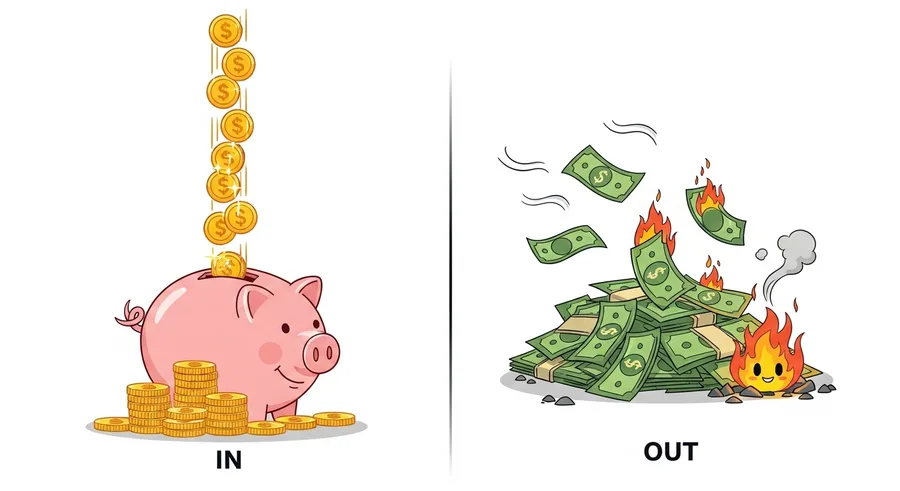
Many services show a small monthly fee while hiding other costs that can double what you pay. You must add up the price of possible account resets, special hardware, and the cost to fix errors made by the service. If a service forces you to use their own software, you pay for the subscription and the loss of your own freedom. Compare the total cost against the time you would spend doing this work on your own. The math often shows that hidden fees make the service much pricier than the base cost suggests.
Consider a service priced at $200 per month. If this service breaks a rule leading to a $100 reset fee and a 1-week delay, the true cost is $300 plus the lost chance to trade for 1 week. When you multiply this by how often these issues happen, the cost becomes too high. You should ask for a full list of all possible costs, like penalties, setup fees, and charges for performance reports. If they refuse to give you a full list, you cannot know if the service is a good value.
Avoid services that tie your pay to performance goals. A plan where you pay only when you hit a profit goal creates a bad conflict of interest. The provider might push for high-risk trades to hit that goal fast, regardless of the danger to your account health. This is a common trap that puts your money at risk just so the provider can get a fee. Always pick a fixed, predictable fee that makes the provider want steady growth instead of fast and risky trades.
Think about the cost of the time you spend watching the service. If you spend 10 hours a week checking their work to ensure they follow rules, your labor cost is high. A service that needs a lot of watching is not saving you time; it adds a management job to your trading day. Calculate your time at a fair hourly rate and add it to the cash fee. This total shows the true price of the work. If the value does not cover this total, you are better off keeping the work under your own control.
Evaluating the Logic of Trading Algorithms
A trading service is only as good as the math driving its trades. You must ask for a clear description of the strategy, including the indicators used, the exit rules, and the specific markets where the system wins or loses. If the provider hides how it works, you are trading in the dark. You must understand the mechanics behind every trade to ensure they are not taking risks that break your personal rules or your funded account program. A system you cannot explain is a system you cannot manage.
Imagine a case where an algorithm sells during a time of low trade volume. If the algorithm does not handle price slippage, your actual trade price could be much worse than the projected price. This gap can quickly eat your margin and lead to a breach of your daily loss limit. A professional service will show how their logic handles real-world factors like slippage, spread growth, and slow order speed. If the provider ignores these factors in their testing, their results are likely just guesses and disconnected from your reality.
Check whether the logic changes or stays the same in all markets. A rigid system that follows the same steps in every market will eventually fail when things change. You want a service that knows the difference between trending and range-bound markets. Ask how they change their position size when market swings get larger. If they say they do not change anything, you should be worried. A system that ignores market context is a system that lacks the flexibility to protect your money during bad downturns.
Ask for the logic behind their stop-loss placement. A stop that is too tight gets hit by normal market noise, while a stop that is too wide brings too much loss. The placement should rely on market measures or key price levels, not just a set dollar amount. If the provider cannot explain why they set risk levels, they are likely guessing. Knowing their underlying logic helps you see when they might be wrong and when you need to step in to protect your account. This is a vital part of any risk management plan.

Related guide for Prop Firm Passing Service Review 2026: What to Check Before Choosing One: For the next practical part of your preparation, continue with 10 Red Flags a Prop Firm Passing Service May Be Hiding Something. Not every bold claim is a scam, but certain patterns deserve an immediate pause. Use these ten red flags to protect your money and account access.
The Mechanics of Disengagement
Your ability to stop a service is just as vital as your ability to start one. Before you commit, you must test the emergency stop process. Can you close all open positions, turn off the API connection, and kill software access right away? A service that makes it hard to stop trading is a danger to your money. If you cannot get control back during a fast market crash, you have given your account security to an outside party that may not care as much as you do.
Think of a service that asks you to email support to cancel your account access. If the market is moving against your trades on a Friday afternoon, you cannot wait for an email reply. You need a simple kill switch that works immediately. If the provider does not offer this, ask how they handle emergency requests after business hours. A provider without a 24-hour emergency plan is not fit for the fast pace of modern trading. Do not accept excuses about having a small support staff.
Write down the steps for closing your account and deleting your data. A professional firm will have a clear, automatic way to wipe your login and trade history from their servers. If they keep your access open even after you ask to leave, they are failing to protect your privacy and security. You should check that your connection keys are revoked at the firm level, not just the provider level. This ensures that even if their system is hacked later, your account stays safe and separate from their other clients.
Test the stop process before you ever fund a real-money account. If you are in a trial, use this time to see how the service handles a planned exit. Does the talk stay professional, or do they apply pressure to keep you as a client? A company that respects your choice to leave is more trustworthy than one that uses guilt or high-pressure tactics to keep your subscription going. A clean exit is a mark of a mature business. If you cannot exit cleanly, it is a big warning sign that you should not trust them with your money.
Scaling and Position Sizing Verification
Position size is the main thing that decides how fast an account hits a loss limit. Check if a provider uses a steady math rule to pick trade sizes. Do not use ones that change based on feelings about recent trades. A pro service uses a fixed percentage of account value or a set number of contracts. These rules must stay the same no matter the last trade result. If they cannot explain their math in simple terms, they might over-leverage your account to win fast.
Think about an account with a $5,000 loss limit. If a firm uses a 2 lot size for every trade, you can count your exact risk. If they jump to a 10 lot size because they feel lucky, you could lose your whole buffer in 1 or 2 trades. This habit breaks your plan and wastes money before the strategy has time to work. You must check if they have hard caps on how many contracts they trade.
Many firms do not explain how they add to trades. Scaling in can manage risk, but it can also hide a lack of real belief. See if they add to losers or winners. Adding to a losing trade is a bad habit that hurts funded accounts. A good service only adds to winning trades to get more profit. If they do not have a clear rule that puts safety first, they are a risk to your evaluation.
Check if the firm changes size based on market volatility. A good system uses smaller sizes when markets move fast. If they use the same size in calm and wild markets, their plan is flawed. High volatility means prices swing wide and hit stops very fast. If they do not show awareness of market context, they cannot keep a funded account. Always ask for their specific rules for sizing during market news events.
Write down the exact maximum trade limit you want them to follow. If you are not okay with more than 4 contracts, make them agree to this in writing. If they break this rule, you should stop using them right away. You are in charge of setting the boundaries for your account. By defining these limits early, you become an active boss of your trading money.
Backtesting and Sample Size Rigor
A provider should show that their plan works across at least 1000 past trades in many market states. Many show results from only the last 3 months, which misses how markets change over time. A plan that earns money in a steady trend may fail when the market goes sideways. You must ask for a detailed report that shows performance during bull and bear markets to see how the system adapts.
Check for big drops in their past data. Think about this: if a firm claims a 30% gain but their data shows a 25% drop, look at the risk. Most funded accounts will close before you reach a 25% loss. A provider who shows data that goes beyond your firm rules is showing a plan that will fail your test. You need a plan that keeps losses within a range that is safe for your rules.
Look at the win rate versus the total number of trades. A high win rate is not always better than a low one. A system with a 40% win rate can earn much if the winners are big. But a 90% win rate can be bad if the losses are very large. Focus on the average result per trade. This tells you what to expect over many trades. If they cannot give this number, they do not understand their own system.
Check how the firm includes costs like slippage and commissions in their tests. Many use perfect data where every trade hits the target price exactly. In real life, fees and bad prices will lower your actual profit. If their past tests do not take out these costs, their profit claims are not real. Ask for a report that shows a worst-case scenario for prices. This gives a much better view of what you will see in your account.
Check if the data is too fitted to past noise. This is known as curve fitting. A plan that is too complex and follows every tiny move will likely fail in live markets. You want a simple, strong plan that uses clear logic. If they cannot explain why a specific rule is part of their setup, it is probably just a random rule that will not work again. Always pick simplicity over complex plans.

Infrastructure and Execution Latency
Where the server lives changes how fast your trades reach the exchange. If a provider uses a home laptop on Wi-Fi, their speed will be much slower than professional tools. This lag creates a big problem when markets move fast. You should ask where their servers are kept. A pro firm uses fast virtual private servers that sit near the exchange data center.
Use this example to see the risk. Imagine the market drops 10 points in 2 seconds. A fast system might stop your trade at the expected price. A slow system with high lag might fill your order 5 points lower because the price moved while the signal traveled. This 5-point gap is the difference between a small loss and a total account failure. You must be sure your provider uses gear built for speed and uptime.
Check for backup plans and redundant connections. What happens if the main internet drops? A pro service will have a backup connection that turns on by itself. If they lack a good backup plan, a simple outage could leave a trade open while the market moves against you. This is a common cause of account failure. Ask them clearly how they handle connection breaks.
Software health is also a big part of your infrastructure check. Ask how often they update their tools and what happens to your trades during that time. If their software needs a restart that makes you manage trades by hand, you are not using a true automated service. You need a system that runs all the time and updates without stopping your strategy. A service that crashes often is a cost you cannot afford to manage.
Make sure the firm gives you a clear screen to see live trade status and system health. You should be able to check a monitor at any time and see that the account works right. If they give no live status, you are trading in the dark. Constant access to your status lets you find issues fast and take control if the system drifts. Your trust in the service should rely on this high level of open information.
Managing the Human System Interface
Trading needs a clear split of jobs between you and the service. You need to pick who makes the final call on when to exit a trade. If you give all control to a system, you cannot use human judgment during events like news releases or holidays. A mix where you have a stop button is usually the safest way. You must make sure the service lets you take control easily whenever you need to.
Think of a case where a surprise event makes the market jump. An automated system might keep trading based on old logic, ignoring the big shift in mood. If you can kill the system right away, you can stop the loss. If the system is a black box that does not let you override it, you are a hostage to its rules. Always check that you have a kill switch that is separate from the automated controls of the provider.
Check the link between system alerts and your own monitoring work. You should get instant notes for every trade entry and exit. If there is a delay in the notes, you cannot check the trade accuracy live. A good service will offer text or push notes that happen exactly when the trade occurs. This loop helps you watch what is happening without staring at the screen for 8 hours. It is about staying informed, not just letting the system run alone.
Be careful of firms that say their system is perfect and needs zero human watching. This is a sign of pride and lack of skill. Every trading system has blind spots. A pro firm will always want you to watch the account and will give you the tools to do so. They should be willing to explain why they took certain trades and why they skipped others. If they act like they have nothing to tell you, they see you as a source of cash, not a partner in success.
Check the performance records yourself on a regular basis. Download the trade history from your account once a week and compare it to the reports from the service. Differences are a big warning sign of a system error or a failure to follow the plan. By doing your own check, you verify the data and the honesty of the provider. This final check is your best defense against bad results and hidden risks.
Final Takeaway
A review should help you reject unsuitable offers quickly, not persuade you that any provider can remove uncertainty. Always verify the process before you commit to any service provider.
Choose a process you can explain, monitor, and stop. Those qualities are more durable than promotional language and will protect your capital better than any guarantee. Focus on long-term sustainability rather than quick fixes or easy paths to funding.