
Challenge preparation functions as a vital operating project rather than a simple exercise in confidence. Before the clock even starts, you must turn the firm's published terms into concrete numbers, test every order type you intend to use, and clearly define the exact conditions that would force you to stop for the day. Approaching this task with precision sets the tone for your entire evaluation experience.
Start by designing for survival rather than focusing solely on the financial target. A trader who knows their remaining loss allowance, the next scheduled market event, and the maximum permitted exposure possesses much more useful information than someone watching a percentage-to-target meter. Prioritizing capital preservation builds a sustainable foundation, allowing you to react logically when market conditions change during your active session hours.
If you are comparing independent preparation with structured support, the main prop firm passing service guide places the complete prop firm challenge preparation guide inside the complete evaluation process.
Select the Program
Compare each program to your trading times and the assets you trade. Do not pick a plan with a reset time that blocks your trading. You should also avoid plans with news rules that stop your activity. Find a program that fits your daily routine and trading style perfectly. This is the best way to start your search for a good fit.
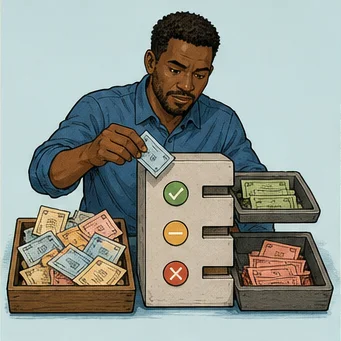
Put the details of each program into a single page list. Include the upfront fee and the profit goal. List the ways to count losses and total loss limits. Add the minimum days and time limits. Write down fees and tech needs. Add payout terms and every rule that limits how you trade. Seeing these rules side by side helps you spot bad deals early.
Look at the tech tools the firm gives to its members. Some tools work well with your charts. Others may have a hard learning curve that slows your trading speed. A firm might look great on paper but fail to help your style. Weigh these technical needs as much as the profit goals you want to reach.
Select program with care
Check for limits on specific assets or software. Some firms forbid trading certain indices or niche goods you may enjoy. Ask the firm to confirm if your strategy is okay before you sign up. The goal is to remove all doubt while you look at your options.
Translate the Rules
Do not just keep a rule in a random browser tab. Change a vague rule like 5% daily loss to real dollars. Find the exact time the firm resets your daily balance. Know if open trade losses count toward your daily limit. Set a personal limit to stop trading early to stay safe.
Write to support to ask about any unclear rules. Ask about news events, copy trading, or using trading bots. Save these written answers with your own list of rules. Do not rely on old forum posts for facts. Use this written record to prove your case if a system error happens.
Make a simple card with your rules for your desk. Put the firm rules next to your own safety limits. This keeps the rules in your mind all day long. A visible sheet helps you avoid making quick choices that break a firm rule.
Learn exactly how the firm defines news or high volatility. Does the rule start minutes before an event or at the release? You must be clear on these times to avoid a mistake. If you are unsure, ask the help desk and save the answer.
Validate the Strategy
Test your strategy with the exact tools you plan to use. Use your real stop loss logic and real spread costs. Check your results in different market types. Do not let one lucky week hide a weak trading plan. See how your plan works in quiet markets and during fast news moves.
Know when you should not trade at all. If you need a busy market to trade, do not trade when it is slow. If you need a specific price move, do not trade if the price moved too far. Defining when to sit out is just as vital as finding a trade. Staying out helps you avoid needless losses in quiet times.
Think of a time when a big news report is due in 10 minutes. Your plan should have a clear rule for this. Should you wait for the news to pass? Does your plan let you trade with less risk? Knowing the answer before the news hits stops you from making emotional choices.
Watch how your plan handles losing trades. If you hit a loss limit, should you walk away? The answer should usually be yes. Write this cooling off rule into your own plan. Knowing you must walk away helps you keep your discipline when the market moves against you.
Calculate the Risk Plan
Risk is a set of rules for your money. Think about your loss per trade and total daily loss. On a 100,000 account, a 0.25% risk is $250. If you open two related trades, you might risk $500. Know how your trades relate to each other to prevent a big loss.
Size your trades based on your stop distance and contract value. Do not just use a random lot size. Update your risk plan after every loss you take. The money you have left decides your next trade size. Always adjusting for your current balance keeps you safe even during a losing streak.
Imagine your daily loss limit is $1,000. If you open two trades that risk $300 each, you used $600. If you open a third trade, make sure you stay under your 1,000 limit. Calculate these values for different market moves. This keeps you from breaking your rules with one bad move.
Be honest about how much stress you can handle. If losing 2% of your account makes you panic, lower your risk. Trade in a way that lets you stay calm and clear. Lowering your risk per trade is often the best way to stay in the game longer.
Prepare the Technology
Sign in to your specific trading server before the first day starts. Double check your account number and the amount of leverage you have. Review the symbols and their specific endings. Check the lot limits and how the margin works on your account. A pair like EURUSD might have different costs on this server. It could be quite different from the demo chart you tested. These small details can cause big errors if ignored early on.
Practice using every order type you need for your trading strategy. Test a pending order and a market order. Try modifying an open order and closing it partially. Move your stop loss to ensure you understand the interface. You must know how your software reacts during fast market moves. Always have a backup internet connection ready to go. Keep the contact details for firm support nearby for technical help.
Check your technology to ensure all automated alerts function correctly. If you use price alerts, confirm your computer will not fall asleep. Make sure the notification sound is loud enough to hear clearly. You cannot miss a trade entry or exit due to settings. Do not let software issues or sleep modes ruin your results.
Prepare technical checklists
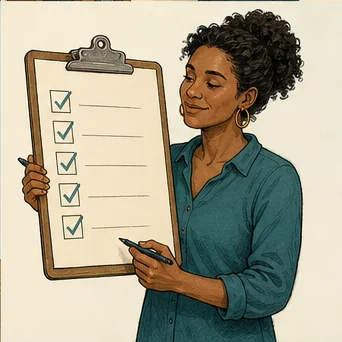
Build a simple checklist for all technical tasks before you trade. Include checking your live data feed and your internet ping speed. Confirm that your trading platform is updated to the latest version. Spend 5 minutes on this routine every single time you trade. This lets you focus on the market instead of fixing computer settings during your session.
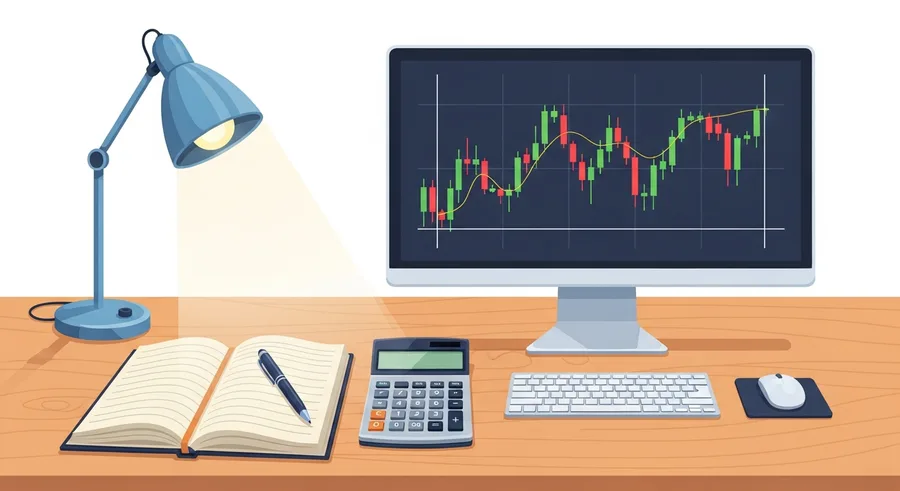
Related guide for The Complete Prop Firm Challenge Preparation Guide: A useful companion for this decision is How to Check Prop Firm Rules Before You Start a Challenge. Many failed evaluations begin with a rule the trader did not know existed. Save this checklist and review the firm's own terms before you place the first trade.
Rehearse the Routine
Complete several trading sessions as if the account were truly live. Open your calendar and mark the exact time you plan to trade. Figure out your risk amount and wait for your specific setups. Write in your journal even when you do not place orders. This practice helps your brain learn the right habits for success. You will feel less pressure when real money is on the line.
Use these rehearsals to find problems with your trading process. Maybe an alert arrives late or your calculator uses the wrong units. Perhaps you notice that you keep trading after your time ends. Fix your workflow instead of just trying to remember things better. If you keep looking at charts too long, change your environment. You could also set software to close your platform automatically.
Consistency is a major benefit in a performance based trading environment. You remove all the guesswork from your day by following a routine. When the market shows a setup, you do not have to think. You should simply perform the steps you planned in your system. This level of habit allows you to trade well during high stress moments.
Rehearse trading plan thoroughly
Compare your actions to your written plan after your practice sessions. Did you try to take trades that did not fit your rules? Did you stay in the market longer than you intended? Use these notes to make your process better and more effective. The rehearsal period is your time to make mistakes safely. Fix your habits before you start using your actual evaluation capital.
Onboard a Passing Service Carefully
First check if the firm rules allow you to use support services. Coaching or trade signals have different risks and compliance requirements. The name of the service does not tell you if it is allowed. You must make sure that any outside help does not break rules. Avoiding account termination is your responsibility as the main account holder.
A good provider explains their tools and how they communicate with you. They must show you their risk limits and how to stop them. Never share your password with someone who promises big results. If they hide their methods or ask you to lie, stop using them. Your account safety is more important than any help from an outside party.
Ask for a live demo of their tools before they touch your account. You must understand exactly what they do on your behalf. If you cannot explain the trade, you should not take it. Use these services to learn or to save time on tasks. Do not use them to avoid responsibility or ignore the rules of your challenge.
Maintain control of trades
You must always make the final call on every single trade. Look at their suggestion and check it against your own analysis. Place the order yourself after you agree with the trade idea. This keeps you in control of your risk and your success. A support service should assist you and not run your account for you.
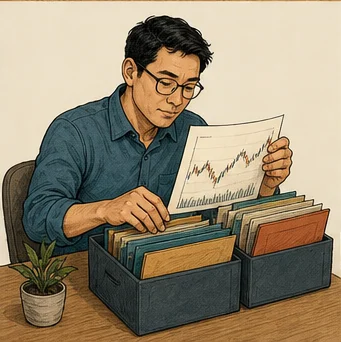
The Go-Live Checklist
Start trading only when your rules and data match your dashboard. If you have questions about the rules, wait to begin. It is cheaper to wait than to break a rule by accident. There is no shame in taking an extra day to study. Make sure you understand every requirement before you place your first trade.
The decision to start is also about your mental state. Skip your first day if you are sick or feeling too rushed. Do not trade if you feel tempted to fix a personal loss. Your account performance starts with your first trade, not your payment. Respect your own mind to find success in this tough field.
Follow these steps when you are ready to begin your account. First, check your daily and total risk limits for the day. Second, look at the calendar for news that might cause trouble. Third, make sure your internet is stable and your support contact works. Finally, write down the maximum amount you are willing to lose today.
Use go live checklists
If you feel hesitant, stop and read your plan one more time. This feeling is often your brain telling you something is wrong. Take time to remove any doubt before you start your trade. You have already built a strong system for your trading career. There is no need to rush into the market right now. Your patience will pay off when you enter with total confidence.
Mastering Performance Rhythms
Trading needs steady focus regardless of how busy markets get. Your daily results often match your internal clock and daily life habits. You must learn when you work best during the day. Some traders like busy times, while others prefer quiet times. Matching your schedule to your peak brain power prevents mistakes from fatigue. Many people force themselves to sit for 8 hours at work. They often lose their mental edge during the final two hours.
Watch your own performance hour by hour for one full week. Pay close attention to how clear you think and how fast you decide. Note if you hesitate often when you make a trade move. Use these notes to find your best window for trading daily. If you find your results get worse after 3 hours, stop then. This limit forces you to pick only the best trades to make. It stops you from making poor bets on bad trade setups.
Master your peak performance
Think of a common day for a daily trader. You feel very sharp between 08:00 and 11:00 in the morning. You notice your mistakes go up a lot after 13:00. You make a firm rule to turn off your computer by 12:00. By trading only during your 3-hour peak, you keep your money safe. This prevents you from losing cash in your usual afternoon slump. You choose to trade well instead of trading for a long time.
Check how you react to losing trades during your performance reviews. Some traders work harder after a loss, while some trade with more care. Write down which way leads to better results in your own records. If you notice you trade to get revenge, use a physical sign. You can also block your software for 60 minutes after a loss. Keeping your mind clear is a key part of your trading goal.
Review session emotional states
Run a review after each session to check your emotional state. Give yourself a score from 1 to 5 on your plan. A low score shows you were emotional instead of being very logical. Use your score to help you plan your next day better. If you have many low scores, stop trading for 48 hours. This helps you get your focus back on the right path.
Related guide for The Complete Prop Firm Challenge Preparation Guide: For the next practical part of your preparation, continue with What a Professional Prop Firm Passing Plan Should Look Like. A professional plan is visible, measured, and rule-aware. Learn what should be included before a provider asks you to trust the process.
Data Driven Backtesting Refinement
Raw test results do not mean much without looking at the details. Only tracking your win rate misses the cost of fees and slippage. You must build a chart that shows the net cost of trades. This list must include the spread, swap fees, and commission costs. Knowing these costs helps you see the actual profit needed for a trade. This makes sure every trade has a real chance to make money.
Test your plan against at least 500 different trade entries. A small number of trades hides the changes in market trends. Use your data to find your biggest possible losing streak. If your data shows a potential 8-loss streak, keep enough money. Your account must survive that stretch without hitting the daily loss limit. This math checks your risk level against your actual account rules.
Refine strategy with backtesting
Look at a sample case involving major market changes. You test a plan that works well in calm market times. You find that during big news, your stops get hit often. You change your plan to skip trading 15 minutes before news. You also skip 15 minutes after red-folder news events pass. By using this data filter, you improve your odds of staying safe. You might miss some trades, but you keep your account alive longer.
Hunt for rare cases in your past market trade data. Watch what happens when a price hits a big level and stops. Does your system exit early or stay in until the end? If you lack a clear rule for this, you might panic. You will likely close the trade too early by mistake. Use your old data to build if-then rules for every common market event.
Last, compare your manual trading to your automated system test results. If you find your manual trading is worse, accept the facts. Fear or greed often hurts how you follow your own clear rules. Change your trading plan to include harder and more mechanical steps. This leaves less space for your own impulses during live market sessions.
Advanced Risk Management Mechanics
Managing risk means watching your total exposure across all your assets. Traders often forget that some assets move in the same way. If you are long on two pairs that both follow dollars, you add extra risk. Check the link between all your current open trade positions. This helps you ensure your total risk stays within your limit.
Think of a sample case about how assets link together. You enter two separate trades on two different market indexes. You think you are safe because the assets seem very different. However, both indexes move just like the main equity market. A surprise move against the market hits both your trades hard. Your loss is now twice what you meant to risk. To stop this, only trade unrelated assets or lower your size.
Use a flexible way to scale your risk based on money. If you start with 100,000 and have a 5,000 loss limit, start small. You might risk 1% of your total account per trade. If your account drops to 97,000, your buffer is now 2,000. You must change your trade size to match this lower amount. Risking the same cash in a smaller account will lead to failure.
Implement visual risk management
Set a walk-away rule for the month and the day. If your balance drops by 5%, you must take a break. Most firms let you keep going, but your own rules should stop you. This keeps you from losing your account during a bad time. Hard stops are your best way to stay in the game.
Make a chart that shows your total risk at a glance. Build a screen that shows your open risk against your limits. Keep this as a bar chart on your second monitor. Seeing your risk as a shrinking bar helps you save capital. When the bar hits 80%, stop opening new trades. This visual rule helps you stop trading with too much leverage.
Environment and Infrastructure Optimization
Your desk setup changes how well you follow your hard rules. A messy screen with too many indicators makes you think too much. Change your screen to show only the facts you need. If you do not use an indicator to trade, remove it now. A clean workspace makes it easier to find your best trade setups.
Keep backup systems ready for all your important computer parts. A second monitor, a backup keyboard, and extra power are vital. Test your backup internet often by using a mobile phone hotspot. Make sure your trading app is ready on a second laptop. You cannot lose your account just because a power cable broke. You must be ready for any small technical gear failure.
Build your space to stop you from doing things you should not. If you look at social media too much, move those devices away. Set your home page to your trade journal, not a news site. By changing your room to support your rules, you need less willpower. You are building a system that forces you to succeed.
Optimize infrastructure and alerts
Look at a sample case about how you hear your alerts. You count on audio alerts for when to enter a trade. You find that you miss them often because of room noise. You buy a good amplifier and speakers to hear them better. You also record the alert to say Setup detected clearly. These small changes make you more reliable during stressful trading hours.
Make an emergency list and tape it to the wall. This list should have your fast exit keys and phone numbers. If your main software freezes, do not waste time fixing it. Use your emergency plan to close trades right away. Having these steps on paper saves you time during a crash. This helps stop a small technical bug from hurting your money.
Final Takeaway
Preparation cannot create a winning trade, but it can remove common preventable failures: wrong sizing, misunderstood resets, unsupported automation, and trading when a setup is absent. Investing this time upfront ensures you operate with clarity rather than reacting with panic when the markets turn. Your goal is to maximize your chance of success by removing all the unnecessary variables that cause traders to lose their accounts.
Keep your entire preparation pack accessible during the evaluation. Update only the factual fields such as your remaining buffer and any new rule notices; do not redesign your entire system after every outcome. Consistency is what separates a successful project from a series of disjointed efforts. Trust in the work you did before starting the challenge and allow your plan to guide your path through the evaluation stages.